Selling an Otay Ranch home when buyers fear Mello-Roos
How to sell an Otay Ranch home by disclosing Mello-Roos early, pricing with same-tract comparables, and turning a levy into context. Buyer fears need facts.
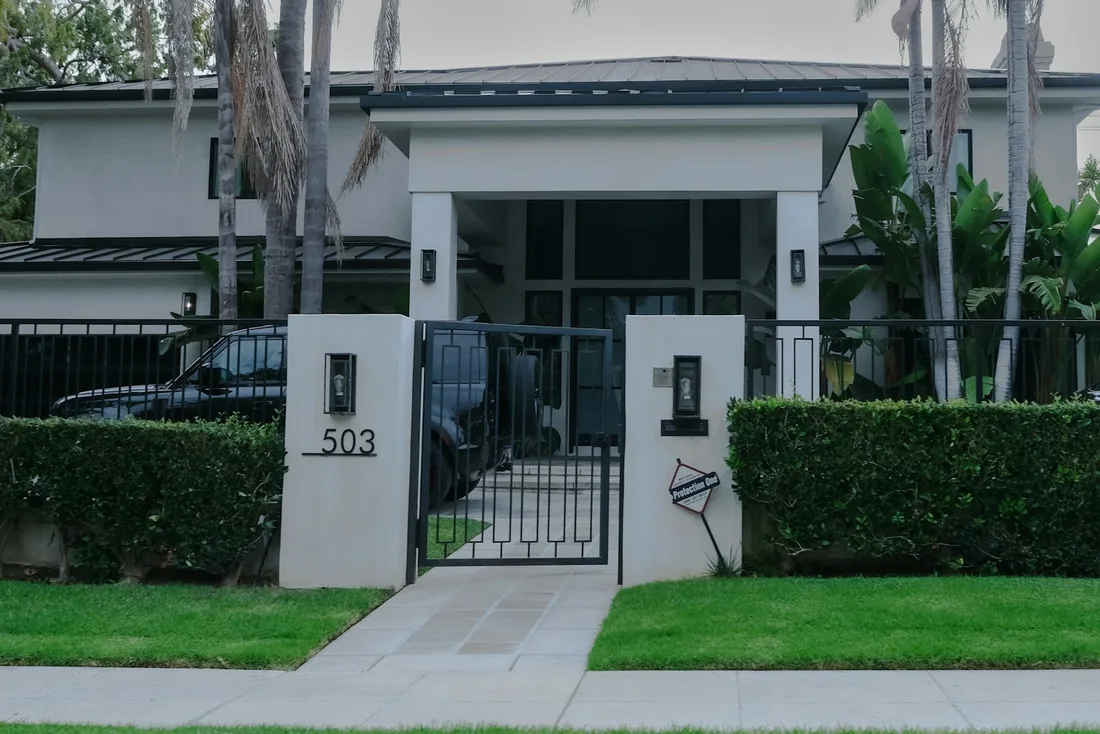
Disclose the Community Facilities District assessment in the first conversation and in the listing. Price the home against settled sales from the same tract, because those sales already reflect the levy. When Mello-Roos is treated as context rather than a secret, buyers stop fearing it and start comparing.
The problem is not the levy
Mello-Roos has a reputation that precedes it. Buyers read the term and assume a hidden tax, a second mortgage, or a penalty for choosing the wrong home. In Otay Ranch, the truth is more ordinary. Most parcels carry a Community Facilities District assessment, and the amount varies by village and parcel. If you are selling, the first mention of Mello-Roos should come from you, not from the preliminary title report.
State the levy plainly. The listing should name the district, and the seller should know the amount on the current tax bill. If you do not have it at hand, say so and tell the buyer where to find it. Hiding a number that is a matter of public record is not a positioning strategy. It is a delay.
Disclosure is positioning
When the levy is disclosed early, it is just a line item. When it is discovered late, it is a problem. A buyer who finds Mello-Roos in the fine print has every right to feel surprised. The same buyer, told on the first visit, will almost always ask a sensible question: what does it pay for?
The answer is visible in the village. Roads, paseos, parks, flood control and the infrastructure that holds the community together. That is not an argument for the assessment; it is a description. The assessment pays for the public improvements that make Otay Ranch the place that the buyer chose. You are not defending Mello-Roos. You are explaining the context, and context is the opposite of fear.
This is why a good listing statement will name the district and then move on. It is not a trap to be avoided. It is a common condition across the community.
Price with true comparables
The second part is pricing. The easiest mistake is to look at a listing in the same ZIP code and assume it is comparable. Two homes in 91913 or 91915 can sit in different villages with different district obligations. The assessment on one parcel is not necessarily the assessment on another.
Use settled sales from the same tract, and preferably the same phase of the village. Those sales have already accounted for the levy. If the home is in Windingwalk, the comparison should start with Windingwalk. If it is in Escaya, start with Escaya. A sale from a neighbouring village will only confuse the picture.
The appraisal will also look at those sales. When a lender orders an appraisal, the appraiser works from the closest available comparables. If the listing price has been set against a mix of tracts, the appraisal will not support it. A buyer can love the home and still have the financing fall apart. The way to avoid that is to price honestly from day one. The guide to Mello-Roos in Otay Ranch sets out the structure of the districts, and it is worth sending to any buyer who asks.
Let the buyer compare
Once the disclosure is open and the price is grounded, the buyer can do the comparison themselves. They will ask whether the assessment is high for the area. The honest answer is that it varies by parcel, and the exact figure must be verified for the address. They will ask what happens if they want to pay it off. That is a question for the district documents, not for the seller.
The important point is that Mello-Roos is not a feature of one unusual house. It is one of the ordinary costs of owning in a master-planned community in eastern Chula Vista. The separate master plans beyond Otay Ranch, Eastlake and its neighbours, are not part of Otay Ranch, but they are part of the same market. A buyer who refuses to consider an assessment will have a difficult time anywhere in the area. That knowledge is your ally.
A buyer with questions is close
The most useful sign in a sale is a buyer who asks about the levy. It means they have read the disclosures and they are testing the numbers. A buyer who asks questions is a buyer who is close to a decision. The buyers you should worry about are the ones who avoid the subject until the very end.
In the meantime, keep the listing in front of the right audience. The market report will show how the overall balance of supply and demand is moving, but it is the living in Otay Ranch guide that will help the buyer see what the place actually involves.
Speak with us. We can help you write a disclosure-led listing, choose true same-tract comparables, and make sure the buyer hears about Mello-Roos from you first.
Questions this post did not answer? — live, 24/7, no forms.