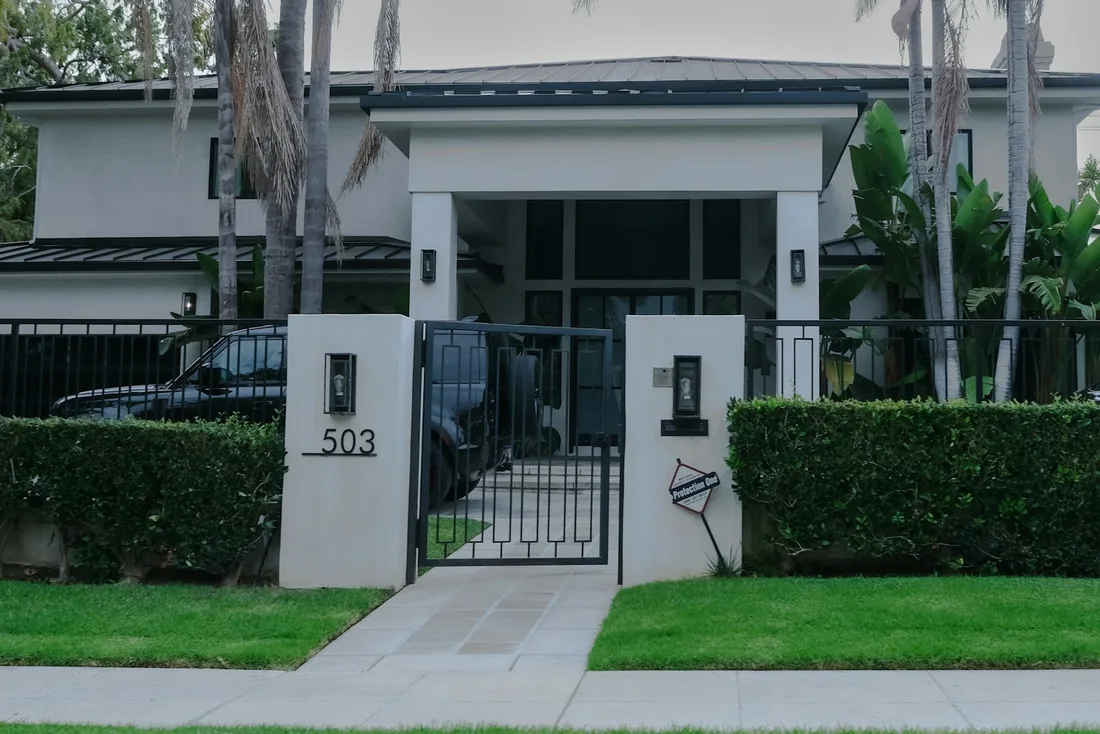
Buy the village, then the house.
In Otay Ranch, two near-identical homes a mile apart can differ by hundreds of dollars a month in assessments and dues, and feed different schools. Get that right first and the rest of the search gets easier.


Find the place that feels right.
From your first village shortlist to the details behind an offer, a thoughtful search starts with the life you want to build.
To buy in Otay Ranch, first confirm which village an address sits in, then check the Community Facilities District assessment on that specific parcel, the HOA dues and what they cover, and the current school assignment. These three vary between villages and between tracts, and they change the true monthly cost more than the list price does.
The four checks, in order
One: the village. Listing portals draw neighbourhood boundaries algorithmically and get Otay Ranch wrong routinely — folding in Eastlake, Rolling Hills Ranch and Rancho del Rey, which are separate master plans entirely. Before anything else, establish which village the address is really in.
Two: the CFD assessment. Otay Ranch was built almost entirely under the Mello-Roos model, so most villages carry a Community Facilities District special tax. It lands on the property tax bill, not the mortgage statement, and it varies by village and often by tract inside the same village. We pull the actual figure for the specific parcel rather than quoting a village-wide average, because village-wide averages are how buyers get surprised at closing.
Three: the HOA. Dues alone tell you nothing. What matters is what they cover — some Otay Ranch associations include a swim club and extensive common-area maintenance, others cover far less for a similar number.
Four: the school assignment. Assignments follow the address, not the village, and boundaries have moved as the community built out. Verify for the specific home, in the current year.
Found something you like? and we will run all four before you write.